
🏠 Home > 🗺️ Recipes > 🏛️🍖 Hearth-Roasted Mains > 🧱 Babylonian: Hearth-Roasted Mains Recipes
🧱 🏛️🍖 Babylonian: Hearth-Roasted Mains Recipes
Published by Supakorn | Updated: July 2026
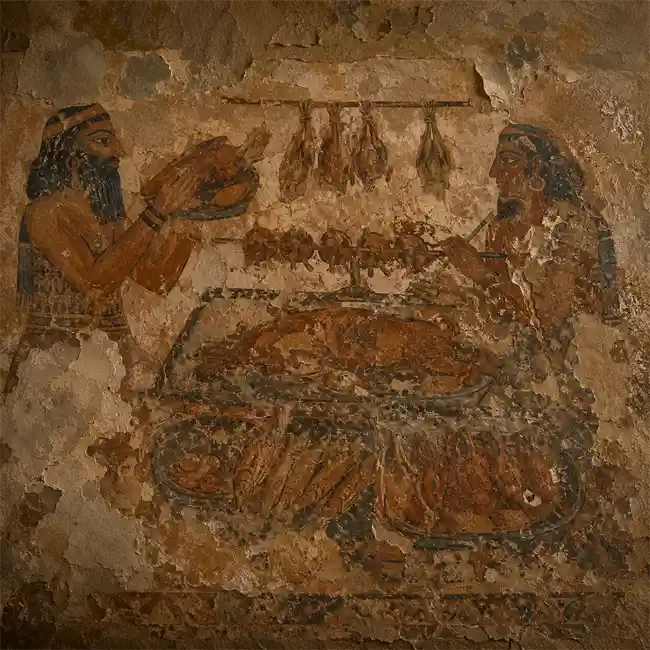
🧱 📜 The Storyteller’s Intro: 5,000 Years of Ancestral Flavors
Imagine stepping out into the sun-baked streets of ancient Mesopotamia over 5,000 years ago. Long before modern stove knobs, celebrity chefs, or fast-food joints, the aroma of sizzling fat, crushed cumin, and roasted garlic filled the air. We are taking a journey all the way back to the cradle of civilization—the ancient land of Babylon. Nestled between the mighty Tigris and Euphrates rivers, this region wasn't just famous for building massive ziggurats or inventing writing; it was the ultimate culinary epicenter of the ancient world.
When we look back at the grand timeline of Mesopotamia, we see a rich tapestry of history split into incredible eras:
◦ The Sumerian Era (~3500–2334 BCE): The pioneers who built the world's first cities and developed cuneiform writing, laying down the groundwork for organized agriculture and cooking techniques.
◦ The Akkadian Empire (~2334–2154 BCE): The first world empire that unified different regional trade networks, bringing exotic spices and rare ingredients right into central kitchens.
◦ The Old Babylonian Period (~1894–1595 BCE): The golden age of culinary sophistication—and home to King Hammurabi, during whose time cooks crafted the world's oldest known recipes recorded on clay tablets.
◦ The Neo-Babylonian Empire (~626–539 BCE): The legendary era of King Nebuchadnezzar II, where royal feasts reached lavish, jaw-dropping proportions within magnificent palace walls.
During these centuries, hearth-roasted cooking wasn't merely about survival; it was a celebrated art form. The hearth sat at the literal and emotional center of every home and royal palace. Ancient chefs masterfully controlled open flames, burning slow woods and seasoned charcoals to roast marinated meats and char seasonal vegetables. They achieved smokiness, tenderness, and layered flavor profiles that rival any top-tier modern steakhouse today.
📜 Iconic Excavated Menus: From Clay Tablets to Pharaoh Tombs
How do we actually know what these ancient foodies were eating? We owe it all to incredible archaeological discoveries, most notably the Yale Cuneiform Tablets dating back to around 1750 BCE. These tiny clay slabs are essentially the world’s oldest surviving cookbooks! Written in Akkadian cuneiform, they reveal a complex culinary culture filled with rich stews, seasoned roasts, and delicate marinades.
Archaeologists and food historians have deciphered a fascinating list of ancient dishes that were once enjoyed across royal courts and ceremonial hearths:
🥩 Royal Hearth-Roasted Meats
◦ Kish-Style Roasted Lamb Side: A succulent rack of young lamb rubbed with crushed garlic, coriander seed, and sweet mountain herbs, slow-roasted directly over fruitwood embers.
◦ Emperor’s Spit-Roasted Kid (Young Goat): Tender goat meat basting in its own rendered fats, seasoned with salt, leeks, and wild mint, rotated constantly over high heat.
◦ Royal Venison Tenderloin on the Hearth: Rich game meat marinated in sour fruit juices and rendered tallow, then charred to perfection on clay braziers.
◦ Clay-Baked Quail with Juniper: Whole wild quail coated in salt and fragrant herbs, wrapped in moist river clay, and buried beneath hot hearth coals until cooked to juicy perfection.
🍲 Rich Clay-Potted Stews & Braises
◦ Tuh'u (Beetroot & Meat Stew): A striking, deep-red royal braise made with fatty mutton, red beetroots, shallots, garlic, and wild coriander.
◦ Pashrutu (Comforting Herb Broth): A savory broth simmered with tender leeks, garlic, crushed emmer wheat, and tender scraps of hearth-roasted meats.
◦ Elamite-Style Roast Stew: A regional fusion specialty combining roasted goat, crushed pomegranate seeds, and fresh garden herbs in a thick clay pot.
🌾 Hearth-Baked Sides & Grains
◦ Mersu (Ancient Date & Nut Delicacy): A rich, sweet-and-savory confection made by mashing sticky dates with crushed pistachios, raw garlic, and ghee, formed into rolls over hearth heat.
◦ Barley Flatbreads with Charred Onions: Fluffy, ancient grain flatbreads slapped directly onto the hot inner walls of clay tannur ovens, served alongside blackened hearth-roasted leeks.
🗺️ Ancient Culinary Tourism: Mapping Flavors to Historic Landscapes
If you were a traveler back in antiquity, walking down the Processional Way toward the Ishtar Gate, your nose would lead you on an unforgettable journey. Culinary tourism in ancient Babylon was very real! Traders, diplomats, and pilgrims traveled from thousands of miles away, completely mesmerized by the scents wafting from neighborhood bakeries and palace kitchens.
Living day-to-day in Babylon revolved around the rhythms of the sun and the hearth. A standard morning for an average Babylonian family started with simple hearth-baked flatbreads, fresh goat cheese, crisp onions, and sweet dates. But as the sun set, neighborhood ovens lit up the evening. People gathered around shared community hearths, chatting about the day's harvest while roasting skewered meats and baking savory pies.
Today, modern travelers can experience this same ancient spirit when visiting historic archaeological sites across modern-day Iraq and the broader Middle East. Standing amid the impressive ruins of ancient Babylon near Hillah, or exploring the ancient city of Ur, you can almost feel the heat of those ancient clay fires. Local culinary traditions in the region still preserve these ancestral roots—from traditional clay tannur bread ovens to slow-roasted meats prepared over open hardwood fires.
🚣 The Fertile Crescent & Nile Sovereignty: Riverbed Agriculture
The secret behind Babylon's food empire was its geography. Located squarely within the legendary Fertile Crescent, the region benefited from the rich, nutrient-packed silt brought down by the seasonal floods of the Tigris and Euphrates rivers. Just like their neighbors along the Egyptian Nile, Babylonian farmers turned these riverbeds into the most productive agricultural engine on earth.
🌿 Riverbed Agriculture Marvels
◦ Silt-Enriched Soil: The annual flooding deposited layers of rich black mud, making the land hyper-fertile for growing crops without synthetic fertilizers.
◦ Massive Irrigation Canals: Ancient Babylonian engineers carved out vast networks of hand-dug canals, directing river water straight into crops miles away from the main riverbanks.
◦ Abundant Allium Crops: Fields were packed with garlic, leeks, shallots, and sweet onions—the foundational aromatics of almost every Babylonian savory dish.
◦ Pristine Cereal Crops: Fields of emmer wheat and barley stretched as far as the eye could see, providing the flour for dozens of distinct bread varieties and thick staple porridge.
This incredible agricultural abundance allowed Babylonian chefs to experiment endlessly with flavors, combining fresh herbs, leafy greens, and crisp riverbank vegetables with hearth-roasted meats.
🏜️ Oasis & Desert Trade Route Banquets: Caravan Luxuries
Babylon was far from an isolated kingdom; it served as the bustling crossroads of the ancient trade world. Caravan routes crisscrossed the vast Syrian Desert and linked the Persian Gulf to the Mediterranean Sea. Long lines of camels and donkeys arrived daily at the city gates, carrying exotic treasures from distant lands to fuel royal kitchen banquets.
The luxury ingredients brought in via these oasis trade networks transformed simple hearth roasts into legendary banquets:
🐪 Caravan Culinary Luxuries
◦ Aromatic Spices: Rare imports like coriander, cumin, juniper berries, and wild mustard seeds were traded like gold to season royal marinades.
◦ Mountain Honey & Dried Fruits: Sweet dates from lush desert oases, dried figs, raisins, and wild mountain honey were used to glaze roasting meats.
◦ Nuts & Seeds: Pistachios, sesame seeds, and almonds were roasted on clay platters and ground into rich pastes for thick sauces.
◦ Cold-Pressed Oils & Ghee: Premium sesame oil and clarified butter (ghee) were used to baste hearth-roasted mains, creating a rich and crispy crust.
When foreign dignitaries visited the Babylonian court, kings hosted extravagant desert-style banquets under illuminated open skies. Skewers of spiced meats roasted over long trenches of hardwood coals, filling the air with intoxicating perfumes that displayed the empire's ultimate wealth and power.
💬 Ancient Civilization FAQ: Unlocking Palace Kitchen Mysteries
Question 1.Did ancient Babylonians use modern-style metal ovens for hearth roasting?
Not at all! They relied almost entirely on clay-built structures called tannur ovens, open-fire clay hearths, and portable terracotta braziers. Clay held heat remarkably well and imparted a distinct earthy, smoky flavor into meats and flatbreads that modern metal appliances simply cannot replicate.
Question 2.How did they preserve their meats before refrigeration?
Babylonian cooks were absolute masters of food preservation. They used heavy rock salting, sun-drying, cold-smoking over aromatic woods, and submerging cooked meats in rendered animal fats (a technique similar to French confit) inside sealed clay jars.
Question 3.Was garlic really as popular in ancient cooking as the clay tablets claim?
Yes, absolutely! The cuneiform tablets reveal an incredible love for alliums. Garlic, leeks, and shallots formed the aromatic base for almost every single recorded stew, roast, and sauce. It was prized not only for its bold taste but also for its health benefits.
Question 4.Did everyday commoners eat the same hearth-roasted mains as the royal court?
While everyday citizens regularly enjoyed hearth-cooked fish from the rivers, goat, mutton, and fresh flatbreads, the lavish exotic spiced roasts, game meats, and complex fruit-glazed dishes were usually reserved for grand festivals, temple offerings, and royal palace banquets.
🧠 Final Thoughts: The Timeless Allure of Antique Gastronomy
Looking back across 5,000 years of culinary evolution, it is deeply humbling to realize how connected we still are to those ancient pitmasters of Babylon. Long before modern culinary arts schools, these ancestral cooks mastered the fundamental element of great food: controlled fire combined with bold, aromatic seasoning.
The story of Babylonian hearth-roasted mains reminds us that good food has always brought human beings together around the fire. It is a timeless heritage written in smoke, spice, and clay.
Stay tuned, food history enthusiasts! In our upcoming deep-dive guides, we will break down the exact step-by-step recipes, precise spice ratios, and modern kitchen adaptations so you can recreate these authentic 5,000-year-old Mesopotamian feasts right at home in your own kitchen!
🏛️ Credit to the Keepers of the Culture (The Legacy)
We extend our deepest gratitude, respect, and academic appreciation to the brilliant archaeologists, assyriologists, historians, and translators who painstakingly restored and deciphered the Yale Cuneiform Tablets and Mesopotamian artifacts.
Special recognition goes to pioneers like Jean Bottéro, whose groundbreaking translation of ancient tablet texts unlocked the secrets of the world's oldest cooked meals for modern generations. Without their tireless dedication to preserving human history, these delicious cultural treasures would have remained buried beneath the sands of time.
🏛️🍖 Unearthing Mesopotamia’s Pit-Roasting Secrets: A 4,000-Year-Old Culinary Journey
👉 Taste Exquisite Babylonian: Hearth-Roasted Mains
| 🌐 🏛️🍖 < Back | 🧱 🌾 < Previous | Next > 🍲 🧱 |