
🏠 Home > 🗺️ Recipes > 👑🍱 Royal Court Side-Bites (Snacks) > 🇧🇷 Brazil Royal Court Side-Bites (Snacks) Recipes
🇧🇷 👑🍱 Brazil Royal Court Side-Bites (Snacks) Recipes
Published by Supakorn | Updated: September 2026
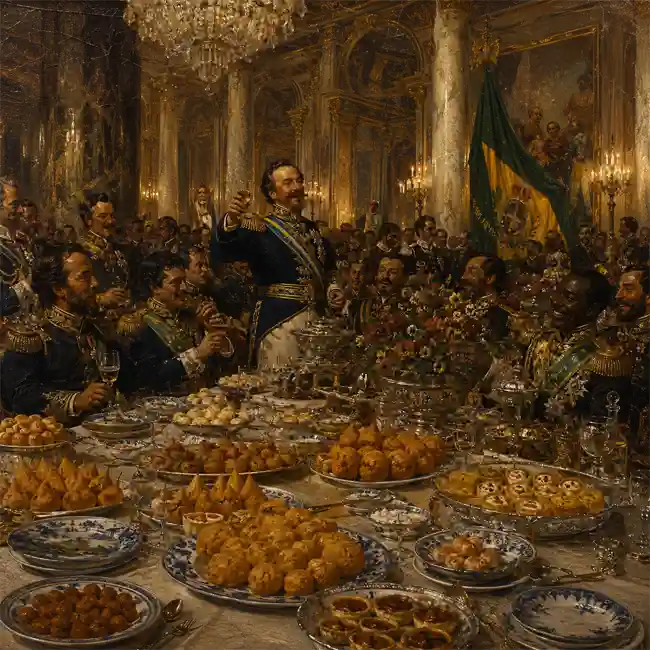
🇧🇷 👑📜 The Storyteller’s Intro: Secrets whispered behind velvet curtains and gilded doors
Hey there, fellow food adventurers! If you think you know Brazilian food through street-side coxinha, juicy picanha steak, or a hot bowl of feijoada, pull up a chair because we are about to journey far deeper. What if I told you that tucked away inside dusty 19th-century archives, handwritten family ledgers, and secluded estate pantries, there exists a whole secret universe of aristocratic finger foods? We are talking about delicate, elite bite-sized masterpieces—the "Side-Bites" or aristocratic snacks—crafted specifically for imperial palates, noble balls, and secretive political gatherings between 200 and nearly 1,000 years of combined indigenous, Iberian, and African heritage.
To really understand how the elite ate, we have to look back at how Brazil’s upper crust lived across three distinct, highly extravagant historical eras:
• The Tupi-Guarani Indigenous Foundations (Pre-1500s Ancestry): Long before European ships anchored off the coast, indigenous royalty and tribal leaders refined native starches, cassavaRoots, wild nuts, and Amazonian botanicals. They developed roasting and fermenting techniques that were centuries ahead of their time. These ancient techniques formed the secret base notes that royal cooks would later transform into luxurious bites.
• The Portuguese Colonial Aristocracy Era (1500–1808): When Portuguese nobles established massive sugar estates (engenhos) across the Northeast, high-society dining became an obsession with wealth and prestige. Rich landowners imported refined sugars, almonds, and spices from Asia, mixing them with native tropical fruits to create decadent miniature bites that displayed their vast fortunes to visiting dignitaries.
• The Golden Imperial Court Era in Rio de Janeiro (1808–1889): The game changed completely in 1808 when King João VI moved the entire Portuguese Royal Court to Rio de Janeiro to escape the Napoleonic Wars. Almost overnight, Rio became the heart of a transcontinental empire. French chefs were brought in, Portuguese pastry masters set up court kitchens, and enslaved culinary geniuses fused all these influences together. The result? Ultra-exclusive, bite-sized culinary art that remained strictly behind closed palace gates.
Life inside the aristocratic court was a theatrical display of elegance. Nobles didn't sit down to massive, heavy meals during mid-afternoon receptions or high-stakes diplomatic tea hours. Instead, servers glided through opulent ballrooms carrying silver platters laden with refined side-bites. These tiny morsels had to be elegant, easy to hold with gloved hands, intensely flavorful, and visually striking. While the common folk enjoyed hearty, rustic meals, the aristocracy snacked on golden, egg-rich pastries infused with spiced native syrups, wild nut pastes, and preserved botanicals that took weeks to prepare.
🗺️ The Royal Culinary Tourism: Mapping Flavors to Historic Landscapes
If you want to taste history, you have to walk where the nobles walked. Taking an aristocratic culinary trip through Brazil means connecting every single bite back to the historic towns, grand palaces, and lush plantations where these secret recipes were refined. When you explore these destinations today, you aren't just sightseeing; you are walking through a living, breathing pantry of royal history.
Here is how you can map these high-society flavors across Brazil's historic landscapes:
• Rio de Janeiro's Imperial Quarter & Santa Teresa: Walk through the cobblestone streets where emperors once strolled. The grand architecture of the Paço Imperial and the nearby historic coffee mansions of Santa Teresa still retain the atmosphere of 19th-century elite receptions. Local heritage cafes here keep old court pastry traditions alive in absolute secrecy.
• The Sugar Valleys of Pernambuco (Olinda & Recife): Travel northeast to experience the birthplace of Brazil’s sugar aristocracy. The colonial mansions of Olinda look over blue waters, surrounded by historic sugar mills where master bakers combined Portuguese egg-yolk obsession with native coconut to invent bites reserved strictly for plantation lords.
• The Historic Gold Towns of Minas Gerais (Ouro Preto & Tiradentes): Nestled inside dramatic valleys, these historic gold rush towns were home to wealthy governors, mining magnates, and high-ranking officials. The elite here crafted rich, long-lasting savory morsels using game meats, lard, local cheeses, and wild spices that preserved well during long carriage journeys between estates.
🚣 Cradle of Royal Delicacies - Coastal Valleys & Imperial Bays
The shimmering coastlines and tranquil river estuaries of Brazil provided the imperial kitchens with some of their most prized, elusive ingredients. Royalty demanded seafood that was light, sweet, and delicate, paired with tropical coastal tubers that yielded incredible textures.
Here are the coastal regions and the secret bite-sized creations born along their waters:
• Bay of All Saints (Bahia) – Empadinhas de Camarão do Paço (Secret Imperial Coastal Tartlets): In the aristocratic homes of Salvador, cooks created buttery pastry shells that melted on the tongue. Unlike common street pastries, these private-court mini tartlets were stuffed with wild ocean shrimp cooked in delicate coconut cream, spiced with native nutmeg, and smoothed with cassava starch. They were served warm at coastal aristocratic gatherings.
• Paraty Coast & Guanabara Bay – Biscoitos de Polvilho da Nobreza (Crisp Cassava Imperial Wafers): Along the historic royal gold route in Paraty, elite bakers perfected ultra-light, air-puffed cassava wafers enriched with rendered lard, wild duck fat, and aged mountain cheese. These airy crunch bites were designed to stay crisp in the humid coastal air during long royal boat excursions.
• Pernambuco Estuaries – Bolo de Rolo de Banquete (Miniature Royal Velvet Rolls): Born in the coastal sugar estates, these were micro-sized, paper-thin guava and butter rolls cut into single-bite cylinders. The exact ratio of egg yolks to refined sugar was kept locked in private family chests to prevent rival estates from copying the melt-in-your-mouth texture.
⛰️ Kingdom of Wild Aromatics & Heritage - Mountain Ranges & Deep Hinterlands
High up in the misty mountain ranges of Petrópolis and the vast interior highland estates, imperial chefs faced a different climate altogether. The cool mountain air called for richer, highly aromatic snacks infused with wild forest herbs, native tree nuts, cured meats, and aged cheeses.
Here are the highland sanctuaries where wild ingredients became refined palace snacks:
• Petrópolis Imperial Highlands – Croquetes da Princesa (The Secret Braised Beef & Herb Bites): Petrópolis was the summer residence of Emperor Pedro II. In the cool mountain climate, court chefs crafted rich, bite-sized fried spheres filled with slow-braised beef shanks, wild marjoram, and a secret reduction of native highland roots. These savory snacks were served during evening fireside chats among diplomats.
• The Valleys of Paraíba (The Coffee Barons' Estates) – Pãezinhos de Queijo Meia-Cura Noble (Aged Mountain Cheese Puffs): The wealthy coffee lords of the interior refined the humble cassava puff into a luxurious treat. They used aged meia-cura cheese made from grass-fed mountain cows, mixed with rich farmhouse butter and native bird pepper. These small golden bites were crisp on the outside, silky on the inside, and kept hot on silver braziers.
• Serra da Mantiqueira Highlands – Docinhos de Castanha-de-Mortaúna (Wild Roasted Nut Jewels): Deep in the high pine forests, indigenous forage knowledge met royal confectionery. Cooks gathered native roasted nuts, ground them into ultra-fine pastes, and bound them with citrus-infused sugar syrup. Hand-shaped into miniature jewels, these protein-packed sweet bites gave mountain aristocracy quick energy during horseback tours of their vast lands.
👸🏰 Royal FAQ: Unlocking Palace Kitchen Mysteries
Q1.How did indigenous cassava transform from a basic staple into an elite royal snack ingredient?
While cassava was originally seen by early European settlers as plain food, imperial court chefs realized its incredible culinary properties. By extracting pure, superfine tapioca starch and blending it with imported French butter and excessive amounts of egg yolks, they created delicate, gluten-free savory and sweet pastries with unique textures that European wheat flour could never achieve.
Q2.Why are egg yolks so overwhelmingly dominant in aristocratic Brazilian sweet bites?
During the colonial era, vast quantities of egg whites were used by priests, nuns, and nobles to clarify fine wines and starch elite clothing, such as ruffled collars and ball gowns. This left thousands of fresh egg yolks behind! Convents and palace kitchens began mixing these yolks with sugar and native fruits, creating an entire high-society confectionery tradition centered around rich, golden sweet bites.
Q3.Did the Royal Family actually eat these snacks in public, or were they private affairs?
Snacking was strictly a private affair or reserved for exclusive receptions (sarau events). Protocol dictated that public dining was formal and grand, but behind closed doors or during relaxed afternoon musical gatherings in private garden gazebos, the imperial family and their favored guests indulged heavily in these easy-to-eat side-bites.
Q4.Why were these specific recipes kept hidden for so many generations?
In 19th-century aristocratic society, culinary superiority was a major status symbol. Having a unique snack that no other family could serve gave your estate massive prestige. Culinary secrets were passed down verbally or recorded in coded family journals that were handed directly from head cooks to their successors, keeping them out of public cookbooks for nearly two centuries.
🧠 Final Thoughts: The Timeless Allure of Aristocratic Gastronomy
Exploring the secret side-bites of the Brazilian imperial court is like uncovering a hidden map of taste, culture, and power. Every bite-sized morsel tells a story of cross-cultural encounter: native cassava starches meeting Portuguese sweet teeth, West African aromatic spices blending with French pastry precision, and mountain herbs warming cool imperial nights.
These are not just old recipes; they are lost pieces of living art that shaped high-society culture across South America. Stay tuned right here on this page, because very soon, we are going to unlock these vaults completely and release the exact, step-by-step secret recipes, ingredient ratios, and historic preparation techniques so you can recreate these ancient palace bites right in your own kitchen!
👑 Credit to the Keepers of the Culture (The Legacy)
We extend our deepest gratitude and respect to the generations of unsung culinary masters—the indigenous food stewards, the enslaved African cooks who brought incredible genius into palace pantries, the convent bakers, and the historic estate archivists of Brazil. Without their tireless dedication, passion, and artistic mastery preserved across centuries, these extraordinary aristocratic flavors and cultural treasures would have been lost to time. Their legacy lives on in every single flavor we honor today.
👑🍱 Quindim: The Forgotten Golden Dessert of Brazil's Imperial Court
👉 Taste Irresistible Brazilian Royal Court Side-Bites
| 🌐 👑🍱 < Back | 🇧🇷 👑🍞 < Previous | Next > 🥘👑 🇧🇷 |