
🏠 Home > 🗺️ Recipes > 👑🍨 Grand Finales (Desserts) > 🇬🇾 Guyana Grand Finales (Desserts) Recipes
🇬🇾 👑🍨 Guyana Grand Finales (Desserts) Recipes
Published by Supakorn | Updated: September 2026
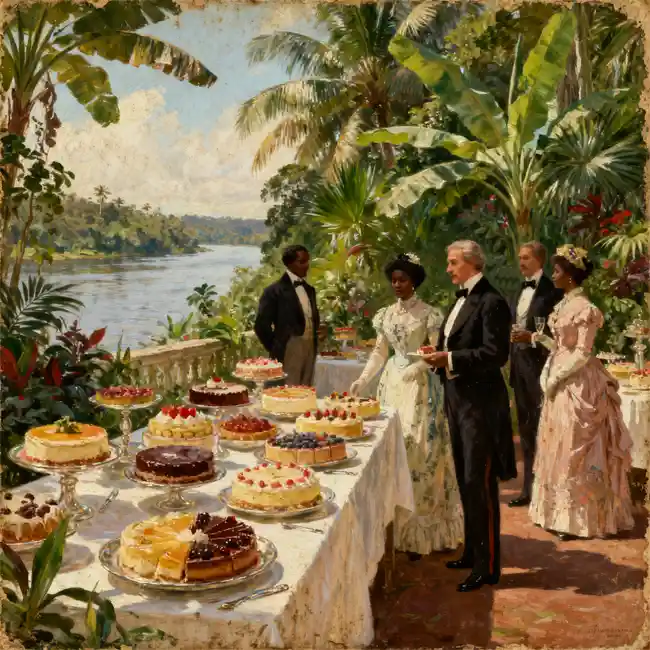
⚔️📜 The Storyteller’s Intro: Whispers of the Aristocratic Sugar Barons
Hey there, fellow food explorers! Grab a comfortable seat because today, we are going on a delicious journey back in time. Have you ever wondered what the elites, the high-society families, and the ancient tribal leaders of Guyana ate for dessert? When we think of Guyana, we often picture lush rainforests and incredible wildlife, but its culinary history—especially the hidden, aristocratic desserts—is an absolute goldmine.
Since Guyana doesn't have a traditional monarchy, our "royalty" here consists of the ancient Indigenous chieftains of a thousand years ago, and later, the incredibly wealthy sugar barons and aristocratic colonial elites from 200 to 400 years ago. Let's break down this fascinating timeline:
• The Ancient Era (1,000 years ago): Before the ships arrived, the upper echelons of Indigenous tribes enjoyed delicacies made from wild, untamed ingredients. Desserts weren't baked cakes; they were sacred, sweetened treats reserved for high ceremonies and tribal leaders, utilizing wild honey, roasted rare nuts, and native fruits.
• The Golden Sugar Era (200-400 years ago): Fast forward to the era of grand plantation houses. Guyana became the undisputed king of sugar—specifically the world-famous, rich, and caramel-like Demerara sugar. The aristocrats living in massive colonial mansions threw lavish banquets. Their kitchens were bustling epicenters of culinary innovation where enslaved and indentured master chefs blended African, East Indian, Dutch, and British techniques with local ingredients.
The dining culture was an incredible spectacle. Imagine massive mahogany tables, fine imported porcelain, and grand finale desserts presented like edible architecture. These recipes were closely guarded secrets. A master cook in a colonial mansion would never share their exact ratio of fresh nutmeg, aged molasses, and hand-grated coconut. They took these secrets to their graves! Today, we are dusting off these ancient, aristocratic menus to reveal the culture behind these forgotten masterpieces.
🗺️ The Culinary Tourism: Mapping Flavors to Historic Landscapes
If you are planning a trip to Guyana, or just love culinary tourism, you need to know that the country’s geography dictated what the elites ate. We are mapping out a sweet trail that connects historical landscapes with mind-blowing flavors.
Guyana is famously known as the "Land of Many Waters," and its diverse terrain is split into distinct regions. The aristocratic food culture was highly regional. The wealthy families living near the bustling ports had access to imported spices, while those managing estates near the deep jungle utilized exotic, indigenous botanicals. Traveling through Guyana today is like walking through a living, breathing pantry of ancient ingredients. You can literally trace the footsteps of the old culinary masters by moving from the breezy Atlantic coastlines deep into the misty, mystical mountains.
🚣 Cradle of Aristocratic Delicacies - The Coastal & Riverine Estates
Let's start our journey on the coast and along the majestic Demerara and Berbice rivers. This region was the beating heart of Guyana's wealth. The soil here was incredibly fertile, making it the perfect home for sprawling sugar estates. The aristocratic families in these areas had unlimited access to the finest, freshest, and darkest sugars ever produced.
The desserts born here were rich, dense, and heavily spiced. The elites hosted high-tea gatherings and lavish evening balls where the air smelled of roasted cinnamon, caramelized plantains, and fresh vanilla pods. Here are some of the legendary, secret menu items that once graced the tables of the coastal elites:
• The Demerara Obsidian Cake: A dessert so dark and rich it looked like polished volcanic glass. It utilized triple-boiled molasses, roasted tropical spices, and a secret indigenous root flour to give it a texture unlike anything found in Europe.
• Berbice Velvet Cassava Pone: While cassava pone is a popular street food today, the aristocratic version was a heavily guarded secret. It was elevated with rare imported butter, wild-harvested tonka beans, and a caramelized sweet-potato glaze that took three days to prepare.
• The Essequibo Spiced Gold: A delicate, shimmering pudding made from the first pressing of sugarcane juice, infused with fresh coastal nutmeg and served in delicate porcelain cups.
⛰️ Kingdom of Wild Aromatics & Heritage - The Rainforest & Highland Retreats
Now, let's leave the coast and venture deep into the interior—the Rupununi Savannah and the towering Pakaraima Mountains. Hundreds of years ago, when the elites wanted to escape the coastal heat, they traveled inland. But the real culinary magic here belongs to the ancient Indigenous leaders who have inhabited these lands for over a millennium.
The high-status desserts in the deep jungle didn't rely on refined sugar. Instead, they were masterpieces of natural sweetness and wild aromatics. The ingredients used here are still considered rare and luxurious today. We are talking about organic wild honey harvested from the tops of giant canopy trees, native vanilla orchids, and wild-harvested cacao. Here are the hidden gems from the highlands:
• Pakaraima Honey-Spiced Gold: A sacred, sweet delicacy reserved for tribal leaders, made from slow-roasted wild nuts, mashed native berries, and bound together with a specific type of jungle honey that only blooms once a year.
• Rupununi Cloud Sweets: A fascinating historical dessert made by whipping the starches of rare indigenous tubers with sweet floral nectars, creating a light, airy treat that melted instantly on the tongue.
• The Canopy Cacao Crown: Before chocolate was mass-produced, the elite figures of the ancient jungle enjoyed a dense, unrefined cacao block, naturally sweetened with dried tropical fruits and spiced with wild indigenous chilies and floral extracts.
🕌❓ Aristocratic FAQ: Unlocking Elite Kitchen Mysteries
Let's dive into some of the most burning questions about this fascinating culinary history!
Question1: Why were these dessert recipes kept as such strict secrets?
Answer: In the aristocratic colonial era, your status was defined by the exclusivity of your dining table. Having a dessert that no other wealthy family could replicate was a massive flex! The master chefs were specifically instructed never to write the recipes down, passing them on only through oral tradition to their chosen apprentices.
Question2: What was the most prized ingredient in these ancient kitchens?
Answer: While Demerara sugar was the foundation, the true luxury items were the wild aromatics. The Tonka bean, native to the region, was incredibly prized for its complex flavor profile (a mix of vanilla, almond, and clove). It was heavily guarded and used only in the most elite desserts.
Question3: How did the ancient indigenous elites sweeten their food before sugar plantations existed?
Answer: Long before the sugar barons arrived, indigenous tribes used a variety of natural sweeteners. They relied on specific types of wild jungle honey, the natural sugars from overripe tropical fruits like papaya and indigenous berries, and the sweet sap from specific rainforest trees.
🧠 Final Thoughts: The Timeless Allure of Aristocratic Gastronomy
Isn't it amazing how food can transport us through time? Exploring the hidden, aristocratic desserts of Guyana is more than just talking about sweets; it is about uncovering the layers of a complex, rich, and incredibly diverse history. From the ancient tribal ceremonies in the misty mountains to the grand, glittering ballrooms of the coastal sugar estates, these desserts tell the story of the people who shaped the "Land of Many Waters."
We've only just scratched the surface today by looking at the culture, the landscapes, and the tantalizing names of these lost menus. I know your mouth is probably watering, and you are dying to know exactly how to recreate the Demerara Obsidian Cake or the Pakaraima Honey-Spiced Gold in your own modern kitchen! Don't worry, my friends. Pin this page and bookmark it right now, because in our upcoming posts, we are going to break the ancient silence. We will be releasing the reconstructed, step-by-step recipes so you can finally taste the secrets of the elites!
👑 Credit to the Keepers of the Culture (The Legacy)
Before we wrap up, it is absolutely essential to pay the highest respect to the true creators of this culinary legacy. While the aristocratic families and tribal leaders enjoyed these luxurious grand finales, the genius behind the flavors belonged to the hands in the kitchens.
We honor the ancient Indigenous tribes (like the Arawak, Carib, and Macushi) who first discovered the magic of the wild aromatics. We pay deep respect to the enslaved African master cooks and the indentured East Indian and Chinese culinary artisans who were brought to Guyana. It was their brilliant minds, their ancestral techniques, and their resilient spirits that fused these ingredients together to create the finest aristocratic desserts the world has ever seen. They are the true, eternal keepers of this sweet legacy.
What historical dessert region sounds most exciting to you—the rich coastal estates or the wild, aromatic mountains? Let me know, and we might just drop that recipe first!
👑🍨 Unlocking Guyana’s Aristocratic Culinary Secrets: The Forgotten Sweets
👉 Savor Authentic Guyanese Grand Finales
| 🌐 👑🍨 < Back | 🇬🇾 👑🍝 < Previous | Next > 🍷👑 🇬🇾 |