
🏠 Home > 🗺️ Recipes > 🍨 Desserts > 🇮🇩 Indonesia Desserts
🇮🇩 🍨 Indonesia Desserts Recipes
Published by Supakorn | Updated: February 2026
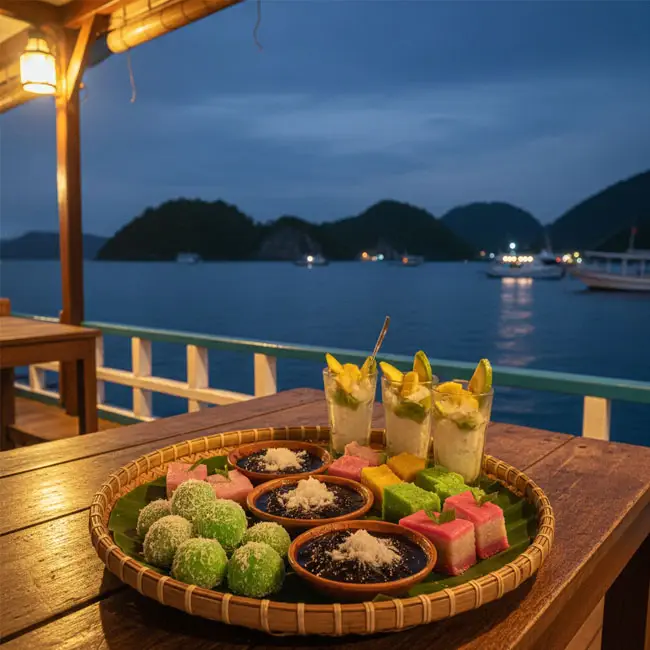
If you thought Indonesian food was all about spice and savory satays, get ready to have your sweet tooth tickled! Indonesia is a massive archipelago with a dessert culture that is as vibrant, colorful, and diverse as its 17,000 islands. In Indonesia, we don't just "finish" a meal with something sweet; we celebrate every hour of the day with treats that we affectionately call Pencuci Mulut (mouth washer) or simply Jajanan.
From the bustling streets of Jakarta to the serene villages of Bali, the air is often thick with the scent of caramelized palm sugar, toasted coconut, and the floral aroma of pandan leaves. It’s a world where "dessert" can be a refreshing shaved ice bowl, a warm chewy cake, or a crispy pancake stuffed with chocolate and nuts.
🥥 The Tropical Pantry: What Makes These Sweets Unique?
Before we jump into the names of these legendary treats, let's talk about the "soul" of Indonesian desserts. Unlike Western pastries that rely heavily on butter and cream, Indonesian sweets are built on the bounty of the tropical landscape.
🌴 The "Holy Trinity" of Ingredients
1.Santan (Coconut Milk): This is the backbone of almost every dessert. It provides a creamy, silky richness that makes everything feel indulgent without being overly heavy.
2.Gula Jawa (Palm Sugar): Forget white sugar. This deep, dark, smoky, and almost caramel-like sugar comes from the sap of palm trees. It’s what gives Indonesian desserts their signature earthy sweetness.
3.Pandan: Often called the "Vanilla of the East," these long green leaves are used to infuse cakes and syrups with a nutty, floral fragrance and a beautiful natural green color.
🍚 The Power of Rice and Tubers
You’ll notice that many Indonesian sweets are quite filling. That’s because we love using glutinous rice (ketan), rice flour, cassava, and sweet potatoes. These ingredients give our desserts a "chewy" or "bouncy" texture—something we call kenyal—which is highly prized in Southeast Asian culinary culture.
🍧 Iconic Cold Desserts: The Ultimate Heat-Beaters
Indonesia is a tropical country, which means it’s pretty much summer all year round. Naturally, we have mastered the art of "Es" (Ice). These aren't just drinks; they are full-blown desserts in a bowl.
🌈 1. Es Campur: The "Everything" Bowl
"Campur" means mixed, and this dessert lives up to its name. It’s a colorful explosion of grass jelly, jackfruit, coconut meat, avocado, fermented cassava (tape), and colorful pearls, all topped with a mountain of shaved ice, pink coco-pandan syrup, and a generous drizzle of condensed milk. It’s the ultimate "street food" dessert that you’ll find everywhere from malls to roadside carts.
🟢 2. Es Cendol: The Green Jelly Classic
If you’ve seen a drink with bright green "worms" in it, you’ve found Cendol. Those little green bits are made from rice flour and pandan. They are served in a glass filled with ice, thick coconut milk, and a heavy pour of liquid palm sugar. Pro tip: Always stir from the bottom to get that perfect mix of salty coconut and sweet sugar!
🍨 3. Es Teler: The Fruit Lover's Dream
If Es Campur is the chaotic cousin, Es Teler is the elegant one. It focuses on high-quality tropical fruits—usually just avocado, young coconut, and jackfruit—bathed in a sweetened coconut cream. Legend has it that the name "Teler" (which means "stoned" or "woozy") was coined because the dessert was so good it made people feel dizzy with happiness!
🥞 Warm & Comforting: The King of Street Sweets
When the sun goes down and the air gets a little cooler, Indonesians flock to the night markets for their warm dessert fix.
🎂 1. Martabak Manis (Terang Bulan)
This is arguably the most famous Indonesian dessert. Imagine a giant, thick, fluffy pancake that is cooked in a cast-iron pan until it develops a honeycomb-like texture. It is then slathered with butter (lots of it!) and filled with toppings like chocolate sprinkles, crushed peanuts, sesame seeds, cheese, and condensed milk. It’s folded over, sliced, and served warm. It’s heavy, sinful, and absolutely delicious.
🥥 2. Pisang Goreng: Fried Banana 2.0
While many cultures fry bananas, Indonesia takes it to another level. We use specific types of bananas like Pisang Raja or Pisang Kepok that hold their shape. Sometimes they are battered and fried until shattering-crisp, other times they are grilled (Pisang Bakar) and topped with grated cheese and chocolate. Yes, cheese and chocolate on bananas is a classic Indonesian combo you must try!
🍡 Jajanan Pasar: The Heritage Bite-Sized Treats
"Jajanan Pasar" literally translates to "Market Snacks." These are the traditional cakes (Kue) that you’ll find in traditional markets early in the morning. They are usually bite-sized and wrapped in banana leaves.
🟢 1. Klepon: The Flavor Bomb
These are small green balls made from glutinous rice flour, flavored with pandan. Inside each ball is a core of liquid palm sugar. The balls are rolled in fresh grated coconut. The "rule" of eating Klepon? Pop the whole thing in your mouth at once! If you bite it in half, the liquid sugar will explode all over your shirt.
🍮 2. Dadar Gulung: The Green Crepe
This is a beautiful green crepe (colored with pandan) that is rolled up with a filling of Unti—which is grated coconut cooked with palm sugar. It’s moist, sweet, and has a wonderful contrast between the soft crepe and the textured coconut filling.
🥧 3. Bika Ambon: The Honeycomb Cake
Hailing from Medan, this cake is famous for its sponge-like, porous texture. It’s made with tapioca flour, eggs, sugar, and yeast, then flavored with lime leaves and lemongrass. It’s bouncy, slightly chewy, and has a very unique citrusy-sweet aroma.
🥣 Porridges and Warm Bowls: Sweet Comfort
In Indonesia, porridge (Bubur) isn't just for breakfast; it's a soul-warming dessert.
🌑 1. Bubur Ketan Hitam: Black Glutinous Rice Porridge
This is made by boiling black glutinous rice until it becomes soft and thick. It has a natural nutty flavor and a beautiful deep purple color. It’s served with a salty, thick coconut milk sauce that cuts through the sweetness.
🟠 2. Bijii Salak: "Snake Fruit Seeds" (Not really!)
Don't worry, there are no actual seeds involved. Biji Salak are small, chewy balls made from sweet potato and tapioca flour (resembling seeds). they are served in a thick palm sugar syrup and drizzled with coconut milk. It’s the ultimate "hug in a bowl."
🧺 The Social Side of Sweets: "Ngemil" Culture
In Indonesia, the act of snacking on sweets is called Ngemil. It’s a national pastime.
• The Afternoon Break: Around 3:00 or 4:00 PM, work often pauses for a "coffee or tea break." This is when the Jajanan Pasar come out. It’s a time to sit with colleagues or family and share a few pieces of cake.
• The "Oleh-Oleh" Tradition: When Indonesians travel to another city, they are culturally obligated to bring back food for friends and family. This "souvenir food" is almost always a dessert—like Brownies Prima Rasa from Bandung or Bakpia from Yogyakarta.
• Celebrations: No birthday, wedding, or religious holiday (like Eid or Christmas) is complete without a massive spread of sweets. For example, during Eid, every house will have jars of Nastar (pineapple tart cookies) and Kastengel (cheese cookies) ready for guests.
🍯 Why You'll Fall in Love with Indonesian Desserts
If you're used to very sugary, dairy-heavy desserts, Indonesian sweets will be a revelation for you.
• Natural Colors: Most of the greens, yellows, and purples come from leaves, roots, and fruits.
• Balance of Salt: Indonesians almost always add a pinch of salt to their coconut milk. This "salty-sweet" combo is what makes the desserts so addictive.
• Texture Variety: From the "snap" of a fried banana to the "squish" of a klepon, every bite is an adventure.
❓ FAQ: Sweet Questions Answered
Q1. Are Indonesian desserts gluten-free?
Actually, many of them are! Since many traditional cakes use rice flour, glutinous rice, or tapioca flour instead of wheat flour, a large portion of Jajanan Pasar and Bubur are naturally gluten-free. Just always double-check if any wheat flour was used as a thickener.
Q2. Why is cheese used in so many sweet desserts?
This is a unique Indonesian quirk! Influenced by Dutch colonial history, Indonesians developed a love for salty cheddar cheese. We found that it pairs perfectly with sweet things like chocolate, bananas, and condensed milk. It’s the ultimate salty-sweet topping!
Q3. What is the best dessert for someone who doesn't like things too sweet?
I would suggest Bubur Ketan Hitam or Es Teler. These rely more on the natural flavors of the black rice or tropical fruits, and you can usually ask the vendor to put less palm sugar or condensed milk.
Q4. Where can I find these desserts if I visit Indonesia?
For Jajanan Pasar, go to a traditional market (Pasar Tradisional) before 9:00 AM. For Martabak and Es Campur, look for street vendors that pop up in the late afternoon and evening. Many modern cafes also serve elevated versions of these classics!
🍨 Title เพจย่อย+3สูตร Desserts
👉 Master 3 Quick Indonesia Desserts
| 🌐 🍨 < Back | 🇮🇩 🍝 < Previous | Next > 🍷 🇮🇩 |