
🏠 Home > 🗺️ Recipes > 👑🥪 Royal Starters (Appetizers) > 🇲🇽 Mexico Starters (Appetizers) Recipes
🇲🇽 👑🥪 Mexico Royal Starters (Appetizers) Recipes
Published by Supakorn | Updated: August 2026
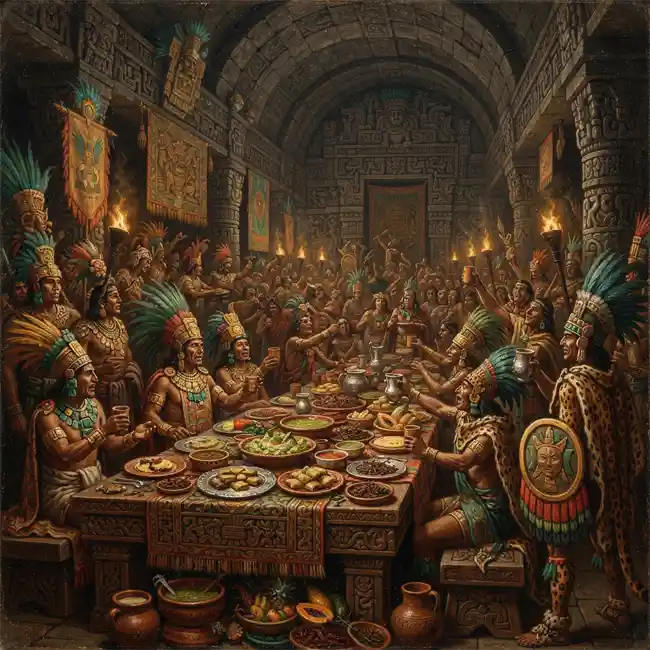
👑📜 Whispers from the Imperial Pantry: 1,000 Years of Aristocratic Secrets
Ever wondered what the highest ranks of society nibbled on before their grand multi-course feasts in historical Mexico? Long before modern street tacos took over global food culture, the ruling elites of Mesoamerica and the lavish Viceregal courts of New Spain enjoyed an entirely different class of gastronomy. We are talking about refined, highly guarded culinary secrets spanning over a millennium.
To truly understand Mexican aristocratic starters, we have to travel back through three distinct golden eras of elite dining:
• The Ancient Pre-Hispanic Era (1000–1519 AD): In the legendary Aztec capital of Tenochtitlan and the sacred city-states of the Maya, food was deeply tied to sacred power and social status. Kings like Moctezuma II did not merely eat; they participated in elaborate daily rituals. Emperors were served dozens of small starter dishes laid out on delicate clay warmers. These early appetizers featured rare wilderness delicacies: hand-gathered spirulina from high-altitude lakes, heirloom corn dough infused with fragrant wild flowers, prized cured venison, and tiny fresh water shrimp wrapped in aromatic leaves. Commoners ate basic staples, but the nobility dined on complex, labor-intensive bites designed to display absolute dominion over nature.
• The Viceregal Baroque Era (1521–1821 AD): When Spanish conquistadors aligned with indigenous nobility, a stunning fusion occurred. Rich Spanish Viceroy courts, wealthy silver barons, and secretive cloistered convents created a extravagant culinary culture. Aristocratic starters became intricate masterpieces. Nuns in Puebla and Mexico City spent weeks crafting appetizers that combined Old World ingredients like almonds, raisins, clove, and cinnamon with sacred local chilies, native cacao, and sweet avocados. Dining in a grand mansion meant sampling delicate savory pastries filled with spiced meats, slow-cooked fruit compotes served on silver trays, and creamy mousse-like starter bowls designed to stimulate the appetite without overwhelming the palate.
• The Porfirian Imperial Renaissance (1876–1910 AD): Under the rule of President Porfirio Díaz, the Mexican high society looked to Paris and Madrid for ultimate sophistication, while keeping their love for deep Mexican flavors. Wealthy landowners (hacendados) hosted opulent banquets where traditional aristocratic ingredients were dressed up in French culinary techniques. Think silky cold soups infused with rare local herbs, tiny puff pastries stuffed with delicate squash blossoms, and gold-leaf garnished bites featuring ancient wild game.
Living like an aristocrat in these eras meant eating according to strict etiquette. Small starter bites were crafted not just to taste incredible, but to show off immense wealth, botanical mastery, and political power. Every ingredient carried a story, and every recipe was kept under lock and key by master palace chefs and convent prioresses.
🗺️ The Royal Culinary Tourism: Mapping Flavors to Historic Landscapes
If you want to trace the footsteps of ancient kings and colonial elites, you have to look at the breathtaking topographies that supplied their kitchens. The high-society food of Mexico has always been defined by its geography. Rich soils, extreme climate zones, and dramatic landscapes created hyper-regional delicacies that were reserved strictly for noble palates.
Traveling through Mexico today through the lens of high-society gastronomy is an unbelievable journey. Wealthy historical figures did not source their food locally from a single market; they used vast networks of tribute and trade. Fresh seafood was run up the mountain paths from the tropical coast to the capital in under twenty-four hours just for the Emperor's morning appetizers. Rare forest mushrooms were harvested by expert foragers in mountain cloud forests, while delicate fruits were cultivated in micro-climates managed by convent estates.
When you explore historic Mexican estates, old haciendas, and ancient ruined cities, you are walking through the exact geographic cradle of elite dining. Every mountain pass, freshwater spring, and coastal bay provided a distinct flavor profile that made its way onto the silver platters of the rich and powerful.
🚣 Cradle of Royal Delicacies: Lakes, Canals & Coastal Kingdoms
The waters of Mexico have provided some of the most exclusive bite-sized delicacies in human history. Long before coastal beach resorts existed, indigenous rulers and colonial aristocrats viewed aquatic ecosystems as prime sources for luxury food.
• The Floating Gardens of Lake Xochimilco: The ancient valley of Mexico was dominated by vast lakes where the nobility built chinampas (floating agricultural islands). These nutrient-dense waters yielded extraordinary small bites. Noble appetizers from this region included Acociles (tiny, delicate freshwater crayfish sauteed with aromatic herbs), dried duck eggs cured with mineral salt, and tender water-cress salad bites dressed with wild seed oils. Visiting Xochimilco today gives you a direct portal into the exact hydraulic farms that fed Aztec royalty.
• The Gulf Coast of Veracruz: This tropical coastline was the primary gateway for foreign luxury goods entering the country during the Viceregal era. Colonial elites built grand summer manors along the coast, dining on refined seafood starters. Legendary starters from this region featured red snapper cured with Mediterranean olives and local chilies, tiny crab cakes bound with yucca starch, and savory plantain bites stuffed with spiced minced meat. The humid, sea-breeze air of Veracruz remains a paradise for food travelers seeking historical coastal luxury.
• The Mayan Lagoon Networks of Yucatán: Deep in the south, ancient Maya lords controlled vast coastal mangrove systems. They created delicate starters using sun-cured conch, smoked octopus seasoned with sour orange juice and achiote paste, and tiny maize tartlets topped with rich chaya leaf purée. The calm turquoise waters of the Yucatán Peninsula still echo with the legacy of these ancient coastal feasts.
⛰️ Kingdom of Wild Aromatics & Heritage: High Peaks & Cloud Forests
Rising high above the coastal plains are the rugged mountain ranges and volcanic valleys of central and southern Mexico. These cool, mist-shrouded altitudes were the natural pantries for rare wild aromatics, prized game, and sacred fungi reserved exclusively for the upper crust.
• The Volcanic Highlands of Puebla & Tlaxcala: Nestled beneath snow-capped volcanoes, these high-altitude valleys produced the most famous convent-created noble foods in history. The cooler climate allowed for rich walnut groves, wild pine nuts, and delicate herbs to thrive. Aristocratic starters born here included miniature stuffed chili peppers draped in velvety nut creams, savory wild mushroom tarts, and delicate pastry envelopes filled with slow-cooked shredded pork and aromatic wild epazote. Traveling through the colonial streets of Puebla feels like stepping into a living museum of Viceregal high gastronomy.
• The Cloud Forests of Oaxaca: Recognized for centuries as a center of deep culinary mastery, Oaxaca’s rugged mountains provided ancient Zapotec and Mixtec royalty with extraordinary ingredients. Nobles indulged in appetizers made from wild agave heart purée, rare forest truffles, and delicate starter pastes crafted from toasted chicatana ants pounded with sacred chilies on stone metates. The mountain air of Oaxaca carries the distinct smell of woodsmoke and roasting spices that once drifted from palace kitchens.
• The Silver Mountains of Guanajuato and Michoacán: The immense wealth of colonial silver mining transformed these northern mountain cities into centers of extreme luxury. The local aristocrats demanded starters that reflected their opulent lifestyles. Popular high-society appetizers here included cured wild venison carpaccio spiced with native allspice, tiny smoked trout rolls, and rich starter broths infused with rare mountain herbs and sweet squash blossoms.
🛕❓ Royal FAQ: Unlocking Palace Kitchen Mysteries
Q1.Did ancient Mexican royalty really eat insects as high-end appetizers?
Absolutely! In modern times, eating insects might seem like rustic street food to some, but in pre-Hispanic times, specific rare insects were luxury items reserved strictly for the Emperor and high priests. Delicacies like Escamoles (ant larvae, often called "Mexican caviar") and Ahuautle (water bug eggs harvested from lake reeds) required tremendous labor to gather. They were gently sautéed in fragrant oils or wild fats with fresh herbs and served as exquisite starter bites to royalty.
Q2.How did colonial convents become the secret centers of royal appetizer creation?
During the colonial era, wealthy elite families would send their daughters to live in lavish convents, bringing generous dowries and indigenous servants with them. These convents had the funding, time, and diverse culinary talent needed to experiment with high-end cooking. Prioresses competed with one another to prepare the most extravagant starter dishes whenever Viceroys, Bishops, or noble dignitaries visited their cities.
Q3.What made an appetizer "aristocratic" versus ordinary everyday food?
The difference came down to three things: complexity of labor, rare ingredients, and presentation. Commoners ate quick, nourishing food like plain tortillas and simple beans. Aristocratic starters required hours—sometimes days—of preparation. They involved intricate knife work, rare imported or high-altitude wild spices, complex multi-stage cooking techniques, and presentation on fine porcelain, gold leaf, or hand-carved stone.
Q4.Are these ancient royal starter recipes lost forever?
Many were kept as closely guarded secrets passed down orally or written in private leather-bound family manuscripts. While some were lost during political revolutions, a surprising number of these ancient recipes survived hidden inside convent archives, old hacienda family vaults, and rural indigenous communities that preserved the original royal preparation techniques.
🧠 Final Thoughts: The Timeless Allure of Aristocratic Gastronomy
There is something undeniably intoxicating about tasting food that was once reserved only for emperors, viceroys, and silver barons. Mexican aristocratic appetizers represent a stunning meeting point between sacred pre-Hispanic nature worship and opulent Old World court culture. Every single bite tells a complex story of power, art, passion, and incredible agricultural mastery.
Understanding the deep history and geographic origins of these secret starter dishes transforms the way we look at Mexican food. It lifts the veil on a sophisticated culinary world that existed long before modern dining trends emerged.
Stay tuned right here on this page! We are preparing to open the vault and release step-by-step, exclusive breakdowns of these long-lost royal appetizer recipes. You will soon be able to recreate authentic, multi-century-old aristocratic starters right in your own kitchen and entertain like absolute royalty.
👑 Credit to the Keepers of the Culture
We extend our deepest respect and gratitude to the indigenous communities, traditional cooks (cocineras tradicionales), culinary historians, and convent archivists of Mexico. For centuries, these dedicated guardians have preserved the sacred techniques, wild seeds, and secret knowledge of historical high gastronomy. Without their unwavering devotion to preserving their ancestral heritage, these extraordinary recipes would have faded into the shadows of history. We honor their wisdom and celebrate their enduring legacy.
👑🥪 Ancient Mexican Court Starters: Forgotten Flavors from the Mexica World
👉 Taste Secret Mexican Royal Starters
| 🌐 👑🥪 < Back | Next > 🍝👑 🇲🇽 |