
🏠 Home > 🗺️ Recipes > 👑🍷 Noble Elixirs & Teas (Drinks) > 🇲🇽 Mexico Noble Elixirs & Teas (Drinks) Recipes
🇲🇽 👑🍷 Mexico Noble Elixirs & Teas (Drinks) Recipes
Published by Supakorn | Updated: August 2026
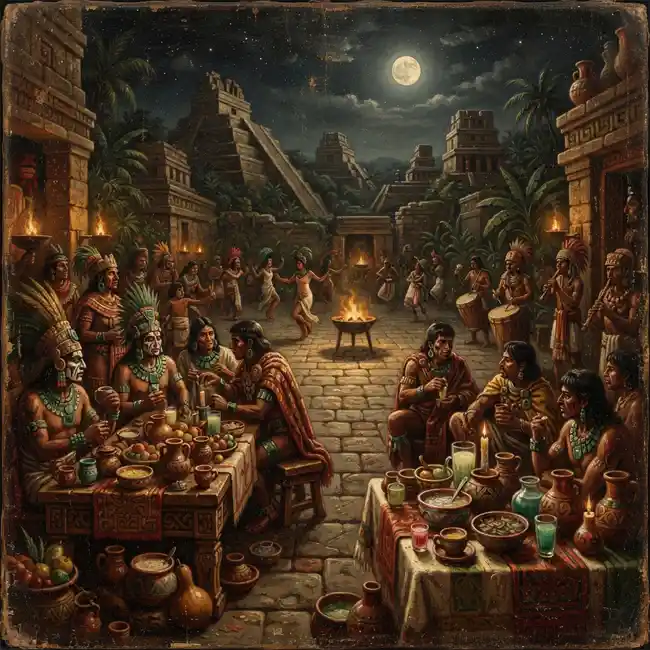
🤴📜 The Storyteller’s Intro: Whispers from the Velvet Chambers of High Society
Ever wondered what Mexico’s elite sipped on long before modern mixology took over? We are not talking about standard street-side refreshments here. We are stepping right into the high-status sanctuaries of Mesoamerican lords and 19th-century aristocrats. For over a millennium, drink-making in Mexico was an elevated art form reserved strictly for emperors, high priests, nobility, and wealthy hacienda owners. Beverages were created as symbols of immense power, refined taste, and sacred prestige.
Across two centuries to a full thousand years of history, Mexican noble sip culture evolved through three magnificent eras:
• The Sacred Pre-Hispanic Era (1,000 to 500 Years Ago): Long before European contact, Maya rulers and Aztec tlatoque (emperors) held absolute monopolies over precious botanical brews. Beverages were loaded with raw cacao, sacred blossoms, wild chilis, and toasted seeds. These were served in painted earthenware or gilded gourds during secret council meetings and sacred elite rites.
• The Viceregal & Colonial Aristocracy (16th to 18th Century): Spanish viceroys and high-ranking aristocrats fused native Mesoamerican sacred plants with Old World luxury imports like cinnamon, star anise, citrus peels, and refined cane sugar. Spiced infusions became the daily indulgence of wealthy families living inside grand colonial estates.
• The Porfirian High Society Era (Late 19th Century): During the Porfiriato era, Mexican high society embraced French grandeur. Aristocrats refined ancient herbal preparations using polished silver tea sets, delicate porcelain, and ice harvested from high mountain peaks, creating ultra-exclusive floral elixirs and clarified botanical tonics.
Living as a Mexican aristocrat meant enjoying an lifestyle centered around total luxury and sensory wellness. High society mornings began with rich, spiced cocoa bowls whipped into thick foam using hand-carved wooden molinillos. Afternoons called for delicate herbal teas brewed from rare high-altitude orchids and mountain sage. Evening gatherings inside courtyards featured chilled fruit and blossom essences designed to cool the body while captivating the senses.
Behind closed estate gates, master beverage makers guarded their recipes with incredible devotion. A single mistake in brewing times or ingredient ratios meant ruining a sip destined for a nobleman's lips. Today, these long-hidden secrets are finally coming out of the shadows.
🗺️ The Royal Culinary Tourism: Mapping Flavors to Historic Landscapes
To truly understand how aristocratic drinks developed, you have to look at Mexico’s incredible geography. Wealthy elites controlled vast stretches of fertile land, from steaming coastal lowlands to crisp alpine forests. They imported exotic plants and harvested rare local botanicals to fuel their private kitchens. Today, visiting these historic landscapes offers an unforgettable journey into high-society history.
• Valley of Mexico High Plateau: The ancient epicenter of Aztec imperial power and later the viceregal capital. The cooler climate surrounding Mexico City inspired warm, thick herbal infusions, spiced cocoa mixtures, and aromatic corn-based elixirs brewed to sustain nobility during chilly high-altitude nights.
• The Southern Jungle Basins: Regions across Chiapas and Tabasco served as the ultimate green goldmine for Mesoamerican royalty. High humidity and deep volcanic soils nourished wild cacao trees, aromatic vanilla orchids, and sacred allspice trees that supplied the imperial pantries of Maya and Aztec nobility.
• The Central Highlands & Hacienda Belt: States like Puebla, Querétaro, and Guanajuato became the playground of colonial wealthy elites. Expansive hacienda grounds provided sweet cactus fruits, fragrant herbal gardens, and fresh mountain spring water used to craft delicate summer coolers and elegant afternoon teas.
• The Pacific Coastal Slopes: Verdant mountain slopes overlooking the ocean yielded native fruits, hibiscus cultivars, and rare botanical leaves that made their way to grand urban estates via specialized trade caravans.
🚣 Cradle of Royal Delicacies - Coastal Lowlands & River Basins
The tropical river basins and lush coastlines of Mexico were the original birthplace of imperial luxury ingredients. These humid corridors provided the raw elements that shaped ancient high-society sip culture.
• Tabasco River System: Known historically as the epicenter of Mesoamerican cacao production. Imperial lords established strict tax systems requiring local farmers to deliver prime cacao beans directly to noble storehouses. Today, travelers can explore historic cacao plantations along the river banks to taste authentic cacao infusions prepared without modern industrial processing.
• Soconusco Coastal Plain: Renowned for producing the highest grade of ancient royal cacao, highly prized for its naturally buttery texture and smooth, non-bitter finish. Ancient trade routes moved this coastal luxury north to imperial palaces.
• Veracruz Gulf Corridor: The historical gateway where European spices met native Mexican botanicals. This coastal haven gave birth to delicate, sweetened floral infusions and citrus-laced botanical coolers enjoyed by viceregal high society inside sea-breeze courtyards.
• Yucatán Peninsula Cenote Basin: Sacred underground freshwater sinks provided ultra-pure mineral water reserved for royal elite ceremonies and botanical tea brewing, free from any surface impurities.
Among the secret, non-alcoholic drinks once hidden within these lowland regions are:
• Xocolatl Imperial: A thick, frothy dark cacao elixir brewed with crushed red chili, crushed ground corn, and wild allspice, once exclusively consumed by top-tier Aztec royalty before war or high council.
• Tejate de la Realeza: A complex, velvety iced drink made from toasted corn, fermented cacao, roasted mamey seed pits, and the highly prized rosita de cacao flower blossom, creating a natural buttery foam top.
• Pozol de Los Señores: A sacred fermented corn brew infused with unsweetened raw cacao paste, carried by high-ranking noble envoys across dense jungle trips for instant energy and cooling hydration.
• Agua de Flor de Izote: A rare, crystal-clear floral nectar infusion crafted from delicate white yucca blossoms, harvested only at dawn and lightly sweetened with wild mountain agave syrup.
• Tascalate de la Elite: An vibrant orange-hued beverage blending roasted pine nuts, toasted corn, raw cacao, and natural achiote powder, creating a spice-rich profile reserved for tribal chieftains.
⛰️ Kingdom of Wild Aromatics & Heritage - High Mountains & Deep Forests
Ascending into Mexico's misty mountain ranges and high-altitude forests reveals an entirely different side of aristocratic beverage culture. Up here, elite herbalists gathered high-potency medicinal plants and delicate flowers to create restorative elixirs for the ruling class.
• Nevado de Toluca Highlands: High-altitude pine forests provided fresh alpine springs and wild mountain herbs like poleo (field mint) and mountain sage, which were brewed to treat royal ailments and soothe winter chills.
• Oaxacan Sierra Madre Ranges: A botanical treasure trove where steep mountain slopes yield rare herbal varietals, edible bark, and wild agave species used to produce concentrated botanical nectars for elite gatherings.
• Sierra Gorda of Querétaro: A rugged mountain landscape dotted with historic missions and noble outposts, famous for wild berry gathering, aromatic leaf harvesting, and clear mountain tea preparations.
• The Central Volcanic Belt: Surrounded by snow-capped peaks, these rich soils grew rare orchid species, including the elusive vanilla vine, whose pods were harvested exclusively for noble kitchens.
Secret mountain beverages born from these high-altitude havens include:
• Infusión de Toronjil Real: An aromatic tea brewed using rare red, white, and purple lemon balm leaves, served to noble ladies in colonial haciendas to induce calm and deep relaxation.
• Atole de Náhuatl: A smooth, comforting corn-silk and blue-corn cream potion infused with toasted pumpkin seeds, vanilla bean, and sweet agave nectar, crafted to warm palace interiors during bitter mountain winters.
• Té de Poleo y Cedrón: A crisp, digestive mountain tea combining wild field mint and lemon verbena, traditionally served in polished silver cups following extravagant multi-course noble banquets.
• Elixir de Orquídea y Vainilla: An ultra-exclusive floral infusion using dried native orchid petals and whole split vanilla pods, boiled gently in spring water for high-ranking diplomatic visitors.
• Agua de Sangre de Drago: A vibrant red botanical tonic brewed from the sap and leaves of mountain dragon's blood trees, famed among elite herbalists for its powerful restorative properties.
• Champurrado de los Archiduques: A dense, rich chocolate-atole hybrid thickened with fine-ground nixtamalized corn, sweetened with dark unrefined cane sugar, and perfumed with fresh Mexican cinnamon bark.
🤴❓ Royal FAQ: Unlocking Palace Kitchen Mysteries
Q1: Why was cocoa strictly limited to nobility in ancient Mesoamerican times?
A: Cacao was considered a divine gift directly from the gods, carrying immense spiritual, medicinal, and economic value. Cacao beans were used as actual physical currency across ancient trade networks. Consuming cocoa was seen as drinking liquid wealth, meaning commoners were strictly prohibited from enjoying it unless they were distinguished warriors or high priests undergoing sacred rites.
Q2: Did Mexican high-society beverages change after the Spanish arrival?
A: Absolutely. Colonial high society combined Mesoamerican botanical foundations with imported European and Asian ingredients. While Aztec lords preferred cold, bitter, and highly spiced chocolate water, colonial aristocrats added cane sugar, milk, Mexican cinnamon, star anise, and citrus peels, transforming heavy ritual drinks into sweet, warm afternoon teas and courtyard refreshments.
Q3: How did aristocratic kitchens keep their iced drinks cold before modern refrigeration?
A: Wealthy estates utilized specialized ice runners known as neveros. These runners hiked up high volcanic mountains like Popocatépetl or Iztaccíhuatl overnight, packed large blocks of mountain ice in straw and woven mats, and rushed them down to city haciendas before sunrise. This allowed nobility to enjoy chilled fruit waters and frosty botanical elixirs in the heat of summer.
Q4: Are these historic drink preparations completely non-alcoholic?
A: Yes! While ancient cultures had fermented beverages, high-society culinary arts heavily emphasized pristine botanical health tonics, frothy cocoa preparations, pure flower teas, and hydrating fruit nectars designed for absolute mental clarity, physical restoration, and sophisticated daily enjoyment.
🧠 Final Thoughts: The Timeless Allure of Aristocratic Gastronomy
Stepping into the world of Mexican noble drinks opens up a rich universe of forgotten flavors, deep history, and timeless elegance. These beverages represent far more than simple thirst-quenchers; they are liquid art pieces refined across centuries of cultural blending, botanical discovery, and culinary passion.
We are just opening the vault to this incredible heritage. Keep your eyes locked right here, because we are preparing to unveil the exact step-by-step secret recipes, ingredient ratios, and traditional brewing techniques for every single one of these legendary drinks. Get ready to bring the authentic taste of Mexican palace luxury directly into your home kitchen!
👑 Credit to the Keepers of the Culture (The Legacy)
We extend our deepest gratitude, respect, and admiration to the indigenous communities, master artisans, traditional cocineras tradicionales, and historic recipe preservers across Mexico. Their unwavering dedication across generations has kept these ancestral botanical traditions, sacred cacao rituals, and grand culinary secrets alive for the world to honor today.
👑🍷 1,000 Years of Forgotten Mexican Aristocratic Tea Traditions
👉 Sip Elite Mexican Noble Elixirs & Teas
| 🌐 👑🍷 < Back | 🇲🇽 👑🍨 < Previous | Next > 🍲👑 🇲🇽 |